Soho Locksmith NYC Corp Service Team
Local locksmith team
Apr 20, 2026 10 min read
Moving into a new apartment or brownstone in New York City is exciting — but it also comes with a security question that too many new tenants and homeowners skip over: who else has a key to your front door? Previous tenants, landlords, contractors, real estate agents, and building supers may all have copies you'll never account for. That's why one of the smartest first calls you can make after signing a lease or closing on a co-op is to a professional locksmith — not to replace everything automatically, but to figure out whether rekeying or replacing your locks is actually the right move for your situation.
This guide breaks down the real difference between the two options, walks you through when each one makes sense in an NYC context, and gives you the practical information you need to make a confident, cost-effective decision. Whether you're dealing with a classic mortise lock on a pre-war West Village townhouse or a modern door knob lock on a Midtown high-rise unit, the answer isn't always the same — and knowing the difference can save you serious time and hassle.
## Rekeying vs. Replacing: What's Actually Different?
Rekeying a lock means changing the internal pin configuration inside the lock cylinder so that the old keys no longer work — only the new key cut to match the new pins will operate the lock. The lock hardware itself stays exactly where it is; only the tumbler sequence inside changes. Replacing a lock, on the other hand, means removing the entire hardware unit — cylinder, body, strike plate, and all — and installing a brand-new one. Both methods achieve the same core goal: making sure unauthorized old keys are dead. But they are not interchangeable decisions.
Rekeying is faster, involves fewer parts, and is generally well-suited to situations where the existing lock is in solid mechanical shape and you simply want to cut off access to previous keyholders. Replacing makes more sense when the lock hardware itself is worn, damaged, outdated, or simply not the right grade of security for your door. In New York City, where building stock ranges from 1890s cast-iron loft buildings in SoHo to brand-new glass towers in Hudson Yards, the condition and type of lock already on your door matters enormously — and a trained locksmith can assess that in minutes.
## How Do You Rekey a Lock — and Can You Rekey Any Lock?
So how do you rekey a door lock, practically speaking? A professional locksmith removes the lock cylinder from the door, uses a specialized pinning kit to swap out the existing driver pins and key pins for a new set, then reinstalls the cylinder. The new key cut matches only the new pin configuration. The whole process on a standard pin-tumbler cylinder typically takes under 30 minutes per lock. Some lock families — like Schlage or Kwikset — are especially well-designed for rekeying and even have manufacturer rekey kits, though professional service ensures the job is done correctly and the cylinder is properly re-secured in the door.
A common question is: can you rekey any lock? The honest answer is most, but not all. Standard pin-tumbler locks — which cover the vast majority of residential door knob locks, deadbolts, and even many mortise lock cylinders — can be rekeyed. Wafer locks, tubular locks, and certain high-security disc-detainer cylinders have different internal mechanisms and may require replacement rather than rekeying. Antique or badly worn cylinders may also be poor candidates, since rekeying won't fix mechanical slop or a sticky cam. Can you rekey a lock to match an existing key? Yes — if you want all the locks in your apartment or home to operate on one key, a locksmith can rekey multiple cylinders to the same cut, which is a practical and popular option for NYC tenants managing several entry points.
## Mortise Locks, Door Knob Locks, and Smart Locks: NYC-Specific Considerations
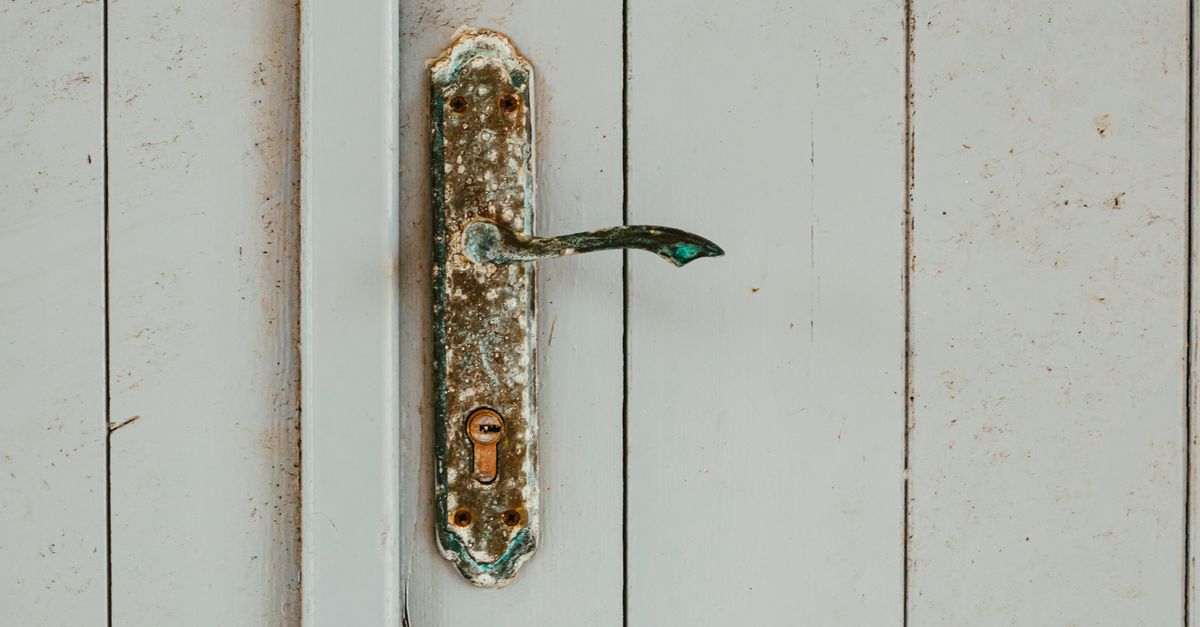
New York City has a particularly high concentration of mortise locks — the large, rectangular lock bodies that sit recessed inside the door edge, common in pre-war buildings throughout neighborhoods like the Upper West Side, Brooklyn Heights, and Park Slope. A mortise lock is a more complex mechanism than a simple cylindrical deadbolt, and rekeying one requires removing the cylinder from within the mortise body. It's not a DIY project. An experienced locksmith who works regularly with mortise lock hardware knows exactly how to extract the cylinder cleanly, repin it, and reinstall it without damaging the surrounding door or the lock body — which, in older buildings, can be difficult to replace if broken.
Smart locks add another layer of consideration. Can you rekey a smart lock? It depends entirely on the model. Some smart locks have a traditional keyed cylinder as a backup to the electronic entry — if that's the case, that cylinder can often be rekeyed just like any other pin-tumbler lock. Others are purely electronic and have no physical key cylinder at all, in which case 'rekeying' means resetting the access codes or deleting old user credentials from the app. Can you rekey a Yale smart lock without the original key? For the physical cylinder on models that include one, the answer is generally yes — a locksmith can often rekey it without the original key by disassembling the cylinder directly, though the specific process depends on the model. If you're unsure what type of lock is on your new NYC door, call (646) 802-0272 and our team can advise you before you commit to anything.
## When Replacing Makes More Sense Than Rekeying
There are clear scenarios where replacement is the better investment. If the lock on your new apartment door is a builder-grade knob lock with no deadbolt — which is more common than you'd think in older NYC walk-ups — replacing it with a properly graded deadbolt or a full mortise lock setup gives you a meaningful security upgrade, not just a key change. Similarly, if the cylinder shows visible wear, turns stiffly, or has been drilled, pried, or tampered with at any point, rekeying repairs nothing mechanical; replacement is the right call. NYC Local Law also requires certain minimum lock grades on residential entry doors, so if you're moving into an older building and the existing hardware doesn't meet current standards, this is a good time to address it.
Commercial tenants and small business owners in NYC face additional considerations. A commercial locksmith assessment of a storefront or office door often reveals that the existing hardware — whether a heavy-duty mortise lock or a multipoint system — is serviceable but the key control has been completely lost. In high-traffic commercial settings like SoHo retail spaces or office suites in Midtown, restricted keyway systems that prevent unauthorized key duplication are worth discussing with your locksmith when deciding between rekey and replace. An experienced commercial locksmith can walk you through the options and confirm a firm, up-front price before any work starts — the final quote factors in the lock type, any parts required, and the time of the service call, so there are no surprises.
## What New NYC Tenants and Homeowners Should Do First
Here's a practical sequence for anyone moving into a New York City property. First, ask your landlord or the previous owner directly: when were the locks last rekeyed or replaced, and how many key copies exist? You likely won't get a complete answer, but it starts a paper trail. Second, inspect the locks visually — look for scoring around the keyway (a sign of attempted picking or impressioning), a loose cylinder, or a mortise lock body that wobbles in the door. Third, contact a professional locksmith for an on-site assessment. A trained locksmith can tell you within minutes whether your existing hardware is worth rekeying, due for replacement, or somewhere in between. Soho Locksmith NYC Corp operates 24/7 across all five boroughs, and our mobile team can reach most Manhattan and Brooklyn addresses quickly — we've handled calls everywhere from Canal Street to Crown Heights to the Rockaways.
One more practical note: if you're moving into a building and the landlord says they'll handle it, make sure you're present when the work is done and that you receive all key copies made. New York tenants have the right to working locks on their unit doors; don't leave this to chance. If you want the work done on your own timeline and with full visibility into what's being done, calling an independent emergency locksmith directly is often the most straightforward path. Our team confirms exact pricing up front, works around your schedule, and can rekey or replace virtually any residential or commercial lock in the city — including mortise locks, smart locks, door knob locks, and high-security cylinders. Call (646) 802-0272 any time — we answer 24/7.
Frequently asked questions
How do you rekey a lock, and is it something I can do myself?+
Rekeying a lock involves removing the lock cylinder, swapping the internal driver and key pins to a new configuration, and reinstalling the cylinder so only a new key works. Rekey kits exist for some popular brands, but the process requires a plug-following tool and precise pin sizing — a mistake can leave the cylinder inoperable or improperly secured. For a standard door knob lock or deadbolt it's technically possible as a DIY project on simple pin-tumbler locks, but for mortise locks, high-security cylinders, or any lock on a primary entry door, professional service is the reliable choice. It's quick work for an experienced locksmith and gives you confidence the job is done correctly.
Can you rekey a smart lock, and what happens if I don't have the original key?+
It depends on the lock. Smart locks with a physical keyed backup cylinder can usually be rekeyed the same way as any pin-tumbler lock — and yes, a locksmith can often rekey a smart lock without the original key by disassembling the cylinder directly rather than using a key to remove it. Purely electronic smart locks with no physical cylinder don't have pins to rekey; instead, you reset the access codes or delete old user profiles through the app or control panel. If you're inheriting a smart lock from a previous tenant or owner, a locksmith can assess which type you have and advise the right approach. For Yale smart locks specifically, the process varies by model, so it's worth a quick call to confirm before assuming either option.
How much does an NYC locksmith cost, and what affects the price?+
There's no single flat rate — the final price for any locksmith job in New York depends on several factors: the type and grade of lock involved (a mortise lock job is more involved than a simple deadbolt rekey), the number of locks being serviced, whether replacement parts or new hardware are needed, the time of the service call (overnight or holiday calls involve different rates), and travel distance within the city. What we always do is confirm an exact, up-front price before any work begins — so you know what you're agreeing to before the first tool comes out. There are no hidden fees after the fact.
Does NY require a locksmith license, and how do I know I'm hiring someone legitimate?+
New York State does not have a statewide licensing requirement specifically for locksmiths, though New York City locksmiths are subject to local business regulations and consumer protection rules. When evaluating any locksmith, the practical signals to look for are: a verifiable local business address, insurance coverage, clear up-front pricing before work starts, and a willingness to verify your ownership or tenancy of the property before performing any service. Soho Locksmith NYC Corp is insured, operates with a verified NYC presence, and our trained technicians confirm your authorization to access the property before any lock work begins — this is standard practice and a sign of a legitimate operation.