Soho Locksmith NYC Corp Service Team
Local locksmith team
Jun 15, 2026 11 min read
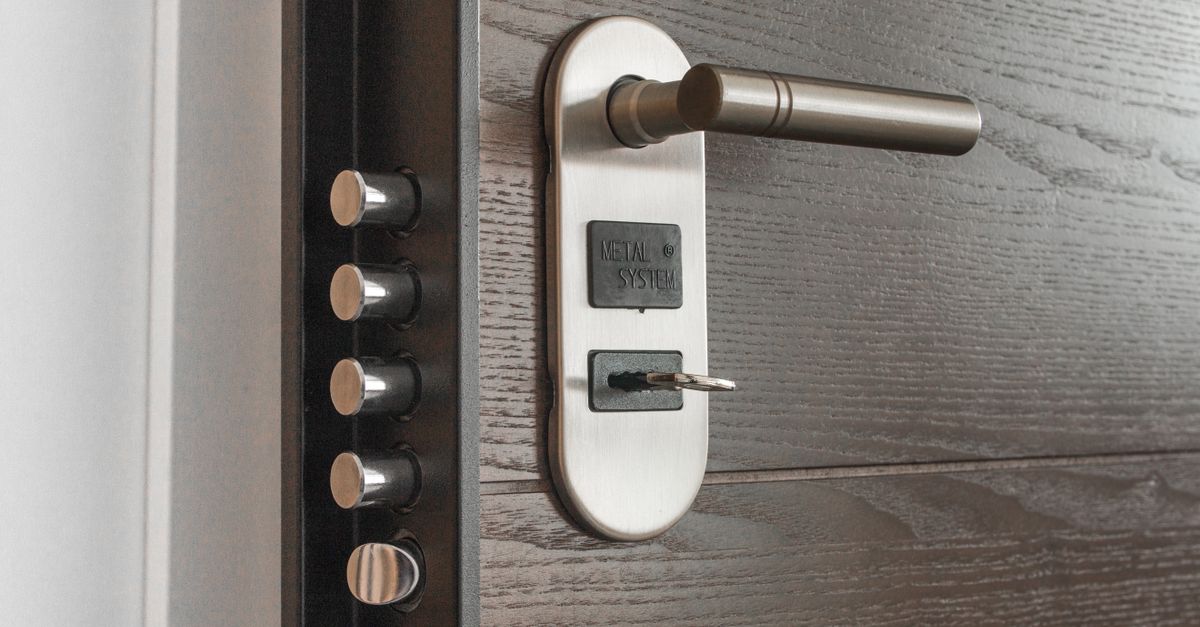
If you've ever wrestled with a stubborn door on your way out of a pre-war walk-up in the West Village or SoHo, you already know the frustration of a mortise lock that just won't cooperate. That grinding resistance, the key that won't turn, the latch that refuses to retract — these aren't signs that your building is haunted. They're signs that one of New York City's most common door-locking systems needs attention.
Mortise locks are the workhorses of older NYC residential and commercial buildings. Unlike the cylindrical knob-and-deadbolt combos you'd find in newer construction, a mortise lock set is a self-contained unit that fits inside a deep rectangular pocket (the 'mortise') cut into the door's edge. They're robust, time-tested, and deeply embedded in the fabric of the city's aging housing stock — but they do develop problems, especially in buildings where the hardware hasn't been serviced in decades. Here's what causes those problems, how a skilled locksmith diagnoses and fixes them, and how to know when repair is the right call versus a full replacement.
## What Is a Mortise Lock and Why Are They Everywhere in NYC?
A mortise lock is a complete locking mechanism — latch bolt, deadbolt, cylinder, and trim — housed in a single cast-metal case that recedes into the body of the door itself. Because the lock body is embedded rather than surface-mounted, it distributes force across a much larger section of the door edge, making it significantly more resistant to kick-in attacks than a standard cylindrical lock. That's a meaningful advantage in a city like New York. Walk down almost any block in the Lower East Side, Chelsea, or Harlem and you'll find these locks on cast-iron doors, heavy wooden apartment entries, and commercial storefronts — often the same hardware that's been there since the building went up in the 1920s or 1930s.
Common brands installed in NYC buildings include Corbin Russwin mortise locks, which were a dominant commercial-grade choice for institutional and apartment buildings throughout the 20th century, and Baldwin mortise locks, which appear frequently in higher-end brownstones and co-op buildings. Some property owners today are also exploring smart mortise lock options that integrate electronic access while keeping the same door prep — a practical upgrade path that doesn't require re-cutting the door.
## The Most Common Reasons a Mortise Lock Sticks or Jams
NYC's older buildings create a perfect storm of conditions for mortise lock problems. The most frequent culprit is building settlement and door frame movement. Manhattan's bedrock geology is famously uneven — buildings in areas like Midtown sit on solid schist while others rest on less stable ground — and over decades, even minor structural shifts cause door frames to rack out of square. When the door edge no longer aligns perfectly with the strike plate on the frame, the latch and deadbolt have to fight to seat themselves, creating the dragging, grinding feeling tenants know well. A qualified locksmith can identify this immediately: if the lock works smoothly when the door is held slightly open but binds when fully closed, frame misalignment is almost certainly the cause.
Beyond alignment, here are the other major causes our locksmiths encounter on service calls across the five boroughs: (1) Worn or corroded internal components — the springs, cams, and case levers inside a mortise lock case wear down over years of use, and in older buildings with original hardware, the lubricant has long since dried and turned to grit. (2) A damaged or worn mortise lock cylinder — the cylinder (the part your key actually enters) can develop internal wear, broken pins, or corrosion, making the key hard to turn even if the rest of the lock is fine. (3) Loose or missing set screws — the cylinder is held in place by a small set screw on the edge of the door; when this backs out, the cylinder can spin freely without engaging the lock mechanism. (4) A misaligned or improperly adjusted strike plate — even a 1/16-inch shift in the strike plate position is enough to cause consistent sticking. (5) Seasonal wood swelling — NYC humidity in summer causes wooden doors to expand, compressing the lock case and adding friction throughout the mechanism. Each of these has a different fix, which is why a proper diagnosis matters before any parts are ordered.
## How a Professional Locksmith Diagnoses and Repairs a Sticking Mortise Lock
When one of our locksmiths arrives on a call — whether it's a jammed apartment door on Bleecker Street at noon or a stuck storefront lock in Astoria at 2 a.m. — the diagnostic process follows a logical sequence rather than jumping straight to replacement. First, the lock is tested in multiple door positions to isolate whether the issue is mechanical (internal to the lock case) or positional (related to the door and frame). The strike plate alignment is checked, the door gap is measured, and the cylinder is tested independently.
If the problem is internal, the mortise lock case is removed from the door — a process that requires specific tools and knowledge of how the trim, cylinder, and case interact — and inspected on a flat surface. Worn springs are replaced, internal components are cleaned and re-lubricated with an appropriate lubricant (never WD-40, which attracts debris), and the case is reassembled and tested before reinstallation. If the mortise lock cylinder itself is the problem, it can often be replaced independently without changing the entire lock set — a meaningful cost saver. Strike plate adjustments, which sometimes require careful chiseling of the frame mortise pocket, are handled precisely to restore smooth operation without compromising security. If you're dealing with a cylinder issue and wondering whether you should call us out, don't wait — a partially functioning lock is a security vulnerability. Call (646) 802-0272 and we'll assess the situation and give you a straight answer.
## Repair vs. Replace: How to Make the Right Call on Your Mortise Lock Set
This is the question every property owner eventually asks, and the honest answer depends on several factors that our experienced locksmiths walk through with you before any work begins. Repair is almost always the right first step when: the lock case itself is intact and the problem is isolated to the cylinder, springs, or alignment; the lock is a quality legacy unit (Corbin Russwin and Baldwin mortise locks, for example, were built to last generations and original parts are still available for many models); or the door and frame are in good structural condition. In these scenarios, a thorough service and adjustment will restore the lock to reliable function.
Replacement becomes the more sensible recommendation when the lock case is cracked or has been forced, when internal components are so degraded that replacement parts cost more than a new unit, when the existing mortise lock set exterior door hardware is an outdated keying system that can no longer be rekeyed to current security standards, or when a property owner wants to upgrade to a smart mortise lock that integrates with a building access system. For commercial properties — retail spaces, offices, multi-family building entries — a commercial locksmith assessment is essential because the code compliance requirements for egress hardware add another layer of consideration. In New York City, door hardware on commercial and multi-family buildings must meet specific local fire and building code requirements, and replacing a lock on those properties isn't simply a matter of picking something from a hardware catalog.
## What Affects the Cost of Mortise Lock Service in NYC — and How We Price It
New York homeowners and building managers frequently ask: how much does an NYC locksmith cost for mortise lock work, or what is the average call-out fee for a locksmith in the city? The honest answer is that the final price depends on a combination of specific factors, and any company that gives you a flat number without knowing those details isn't being straight with you. The variables that determine what you'll pay include: the condition and model of the existing lock (a standard cylinder swap is a different job from a full case rebuild), whether parts need to be sourced (some legacy Corbin Russwin components require ordering), the time of day (emergency locksmith calls outside standard hours involve different labor considerations), your location within the metro area and the associated travel, and the scope of any door or frame work needed alongside the lock service. At Soho Locksmith NYC Corp, our approach is straightforward: we assess the job, confirm an exact price with you upfront, and don't start work until you've agreed. No surprise charges after the fact. If you're comparing what local locksmiths charge and wondering how we stack up, what we can tell you is that our team is trained, experienced, and insured — and we back every job with transparent pricing and real accountability to our customers across New York City.
A note on qualifications: locksmith licensing requirements in New York State differ from those in many other states, and the regulatory landscape for locksmiths is worth understanding as a consumer. In New York City specifically, locksmiths operating commercially are required to hold a license issued by the NYC Department of Consumer and Worker Protection. Our team operates in full compliance with local regulations and carries insurance, so you're protected on every call — whether it's a routine mortise lock service on the Upper West Side or an after-hours emergency locksmith response in Brooklyn. We're available around the clock precisely because locks don't jam on a convenient schedule. Call (646) 802-0272 any time — we answer 24/7 and can typically have a skilled locksmith at your door faster than you'd expect in a city this size.
## 25+ Locksmith Services We Provide Across New York City
Soho Locksmith NYC Corp handles far more than sticking mortise locks. Our mobile team provides the following services throughout Manhattan, Brooklyn, Queens, the Bronx, and Staten Island: (1) Mortise lock repair and servicing, (2) Mortise lock cylinder replacement and rekeying, (3) Full mortise lock set installation on exterior doors, (4) Smart mortise lock installation and programming, (5) Emergency locksmith response for residential lockouts, (6) Commercial locksmith services for storefronts and office spaces, (7) Door knob lock repair and replacement, (8) Deadbolt installation and upgrade, (9) High-security lock installation (Medeco, Mul-T-Lock, ABLOY), (10) Apartment rekey after move-in or tenant change, (11) Master key system design and installation, (12) Building entry and intercom lock service, (13) Mailbox lock replacement, (14) Padlock and storage unit lock service, (15) Gate lock installation and repair, (16) Sliding door and patio door lock service, (17) Fire escape door hardware compliance checks, (18) Magnetic lock (maglocks) installation for commercial entries, (19) Panic bar and push bar installation, (20) Access control system integration, (21) Car lockout service, (22) Auto key cutting and programming, (23) Broken car key extraction, (24) Transponder key duplication, (25) Safe opening and combination changes, (26) Broken key extraction from mortise lock cylinders, (27) Strike plate reinforcement and door frame repair, (28) Peephole installation and upgrade, (29) Window lock and sash lock service, (30) Lock hardware consultation for NYC building code compliance. Whether you own a pre-war co-op in the West Village, a commercial space in Midtown, or a family home in Flushing, there's a specific service on this list built for your situation.
Frequently asked questions
What is a mortise lock and how is it different from a regular deadbolt?+
A mortise lock is a self-contained locking unit — housing a latch, deadbolt, and cylinder — that fits inside a deep pocket cut into the door's edge. Unlike a standard cylindrical deadbolt that bolts onto the door's surface, a mortise lock is embedded within the door, which gives it greater structural strength and makes it harder to defeat by force. They're the dominant lock type in NYC's older residential and commercial buildings, particularly those built before the 1960s.
How much does an NYC locksmith charge for mortise lock repair?+
The cost of mortise lock service in New York City depends on several factors: the specific model and condition of your lock, whether any parts need to be ordered (particularly for vintage Corbin Russwin or Baldwin units), the time of day you call, your location within the metro area, and the full scope of work required. At Soho Locksmith NYC Corp, we assess everything on-site and provide you with a confirmed, exact price before any work begins. Call (646) 802-0272 for a same-day assessment.
Can a sticking mortise lock be repaired rather than fully replaced?+
In most cases, yes — especially with quality legacy hardware. A skilled locksmith can often resolve sticking by cleaning and lubricating the internal mechanism, replacing worn springs or a damaged cylinder, adjusting the strike plate, or correcting door frame alignment. Full replacement is recommended when the lock case itself is cracked or severely corroded, when parts are unavailable, or when upgrading to modern security or smart lock functionality is the goal. Our locksmiths give you an honest assessment of which option makes sense for your specific situation.
Does New York require a locksmith license?+
Yes. In New York City, locksmiths who operate commercially are required to hold a license from the NYC Department of Consumer and Worker Protection. This is distinct from many other states or cities where locksmith regulation is minimal or absent. When you hire a locksmith in NYC, it's worth confirming they operate in compliance with local regulations. Soho Locksmith NYC Corp's team is trained, experienced, insured, and operates in full compliance with New York City requirements.